-
Sign In
-
Sign in to Space Job Search
For job seekers and employers
-
- Post a Job

Sign in to Space Job Search
For job seekers and employers
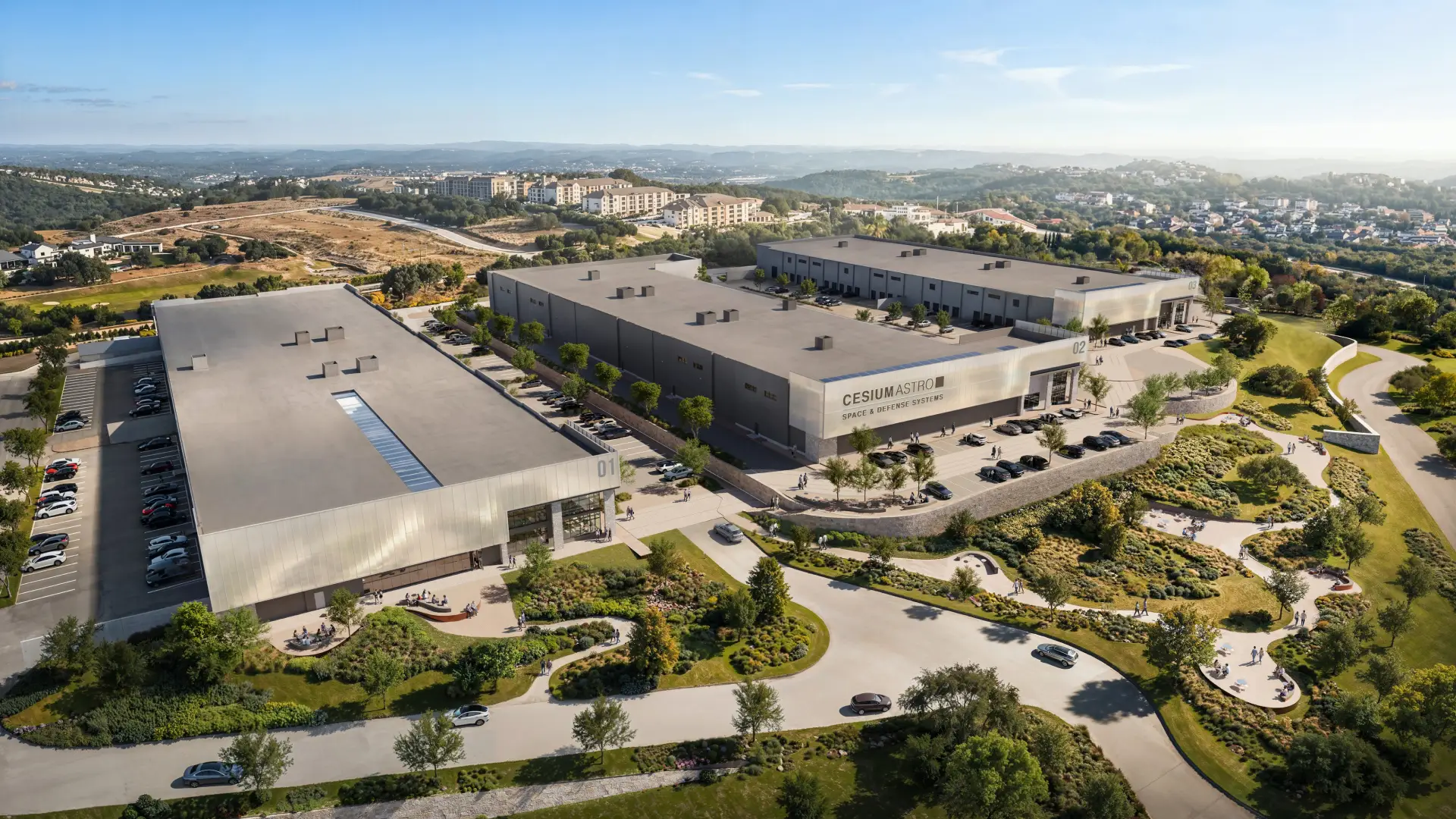
January 2026 saw another wave of private capital and new facility projects, reinforcing the view that hiring demand remains steady across space and space-adjacent manufacturing. In the U.S., Anduril’s planned $1B campus expansion in Southern California and Agile Space Industries’ propulsion test-center buildout in Tulsa both point to multi-year need for engineers, technicians, and operations staff. Several funding rounds also underscored continued investor interest in satellite communications, orbital infrastructure, and launch-related programs, with CesiumAstro’s Series C standing out as a notable scale-up step.
Policy and regulatory activity stayed busy as well, particularly around U.S. appropriations and efforts to streamline satellite licensing. That kind of work typically increases demand not only for technical teams, but also for program management and compliance talent. Publicly visible government “contracts” activity leaned more toward RFIs than awards, which suggests near-term proposal work more than immediate delivery-driven hiring. No material layoffs surfaced in this January snapshot.
Anduril Industries’ planned expansion across Long Beach and Lakewood is expected to support approximately 5,500 direct jobs at full capacity, spanning lab space, prototype manufacturing, and engineering and software teams. The site is projected to open in mid-2027, which generally means hiring will ramp in stages across design, construction, and the move into steady operations.
Browse product development and advanced manufacturing roles on SpaceJobSearch
CesiumAstro disclosed a Series C package totaling $470M, including $270M in equity, aimed at accelerating growth and manufacturing scale-up. In hiring terms, this kind of expansion typically favors RF engineering, production and test, integration, and program execution roles as hardware moves from development into higher-rate delivery.
Browse satellite communications engineering positions on SpaceJobSearch
Gilmour Space Technologies’ Series E is positioned as a scale-up round for launch vehicles and related manufacturing capabilities. That mix commonly drives demand for propulsion, structures, avionics, manufacturing engineering, and launch-site operations as production and cadence targets rise.
Hadrian’s private equity raise is framed around scaling precision manufacturing. On the recruiting side, this often expands hiring beyond core engineering into machinists, automation, quality, supply chain, and production operations as throughput goals increase.
Interstellar Technologies’ Series F round supports continued buildout across launch and satellite services. Hiring demand in this context usually concentrates on propulsion and avionics, test, and launch operations as the company pushes toward higher-tempo execution.
January’s appropriations activity points to continued budget support across defense space and civil programs, with downstream effects for prime contractors and commercial partners. In practice, this often increases requisitions for systems engineering, program management, mission assurance, and propulsion-related R&D.
Browse mission systems and propulsion roles on SpaceJobSearch
Canada Rocket Company’s seed financing targets early development of reusable methane rocket work. Seed-stage teams usually add headcount selectively, but test, propulsion, and hands-on build roles are often among the first hires.
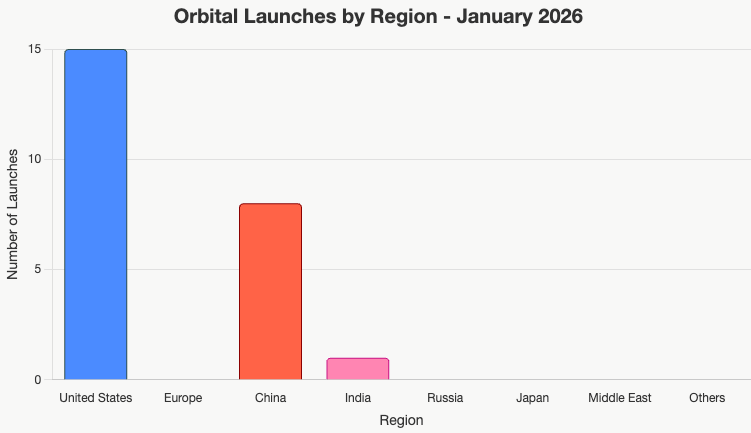
Methodology and Sources
This report compiles January 2026 announcements from Payload, European Spaceflight, SpaceNews, FCC, FAA, and ESA STAR. Events are scored on a five-point scale for expected hiring impact within 3 to 12 months. Rankings weigh funding size, contract value, immediacy, and regional scope.
If you notice any discrepancies or missing information, please contact us at team@spacejobsearch.com.